Emergency Fund Plan: Build It Faster Without Burning Out
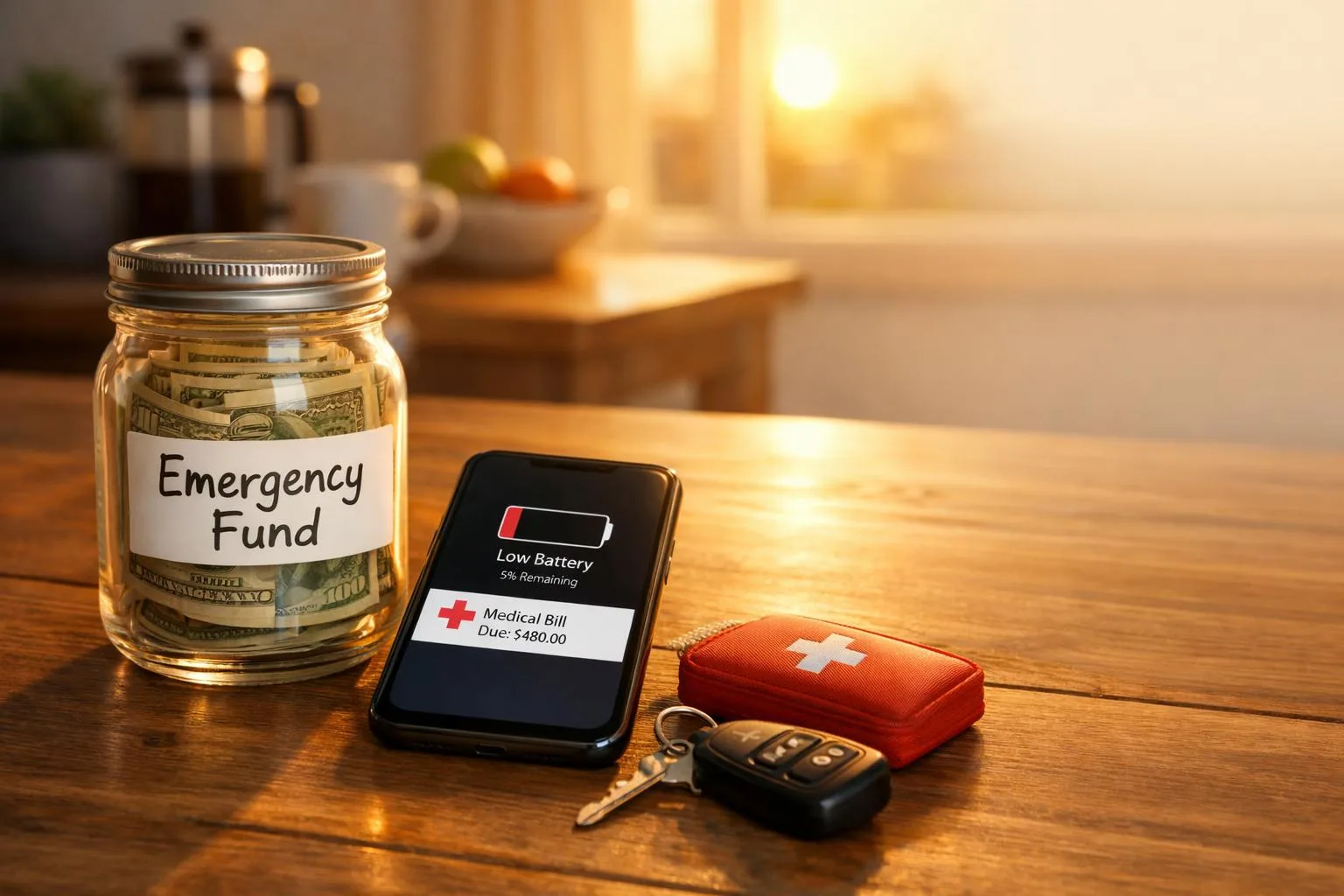
Building an emergency fund is about creating safety, not stress. An emergency fund is simply money set aside for unexpected problems like car repairs, medical bills, or job loss. It’s not for vacations or fun spending. Its real purpose is to give you peace of mind when life throws surprises your way.
You don’t need to save three to six months of expenses right away. That goal comes later. The best place to start is a small “starter” emergency fund, usually between $500 and $1,000. Even a few hundred dollars can cover many common emergencies and immediately reduce anxiety. What matters most at the beginning is building the habit, not hitting a big number.
To make saving easier, keep your emergency fund in a separate savings account so you’re not tempted to spend it. Choose an amount you can save regularly without feeling deprived. Automating transfers on payday helps you stay consistent without relying on willpower. Progress adds up faster when saving happens in the background.
Speed matters, but burnout is the real enemy. Cutting all joy from your life often leads to quitting. Instead, look for low-pain ways to save, like canceling unused subscriptions, saving part of unexpected money such as tax refunds, or doing short-term challenges with a clear end date. Small wins keep motivation high.
If you need to use your emergency fund, that means it worked. There’s no guilt in using money you saved for emergencies. Once things stabilize, you rebuild at your own pace.
Over time, you can grow your fund to cover several months of essential expenses. An emergency fund doesn’t just protect your finances. It gives you confidence, better sleep, and the freedom to handle life’s surprises calmly.